Smart Budgeting for Renovations
Smart Budgeting For Renovations
Framing new walls and support structures is one of the earliest places a renovation budget can drift. A clear allotment for structural work keeps the rest of the project grounded and prevents surprise costs later.
Start by separating must-have structural fixes from optional layout changes. That simple distinction makes it easier to protect funds for finishes you care about most.
Structural Plumbing, And Electrical Work
Behind-the-wall systems deserve their own budget line. Plumbing upgrades, electrical capacity, and HVAC adjustments are harder to revisit once walls close, so plan them early.
Ask for allowances that reflect your home's age and the scope of each room. A realistic contingency here usually saves more money than trimming these trades too aggressively.
Walls, Flooring, And Cabinetry
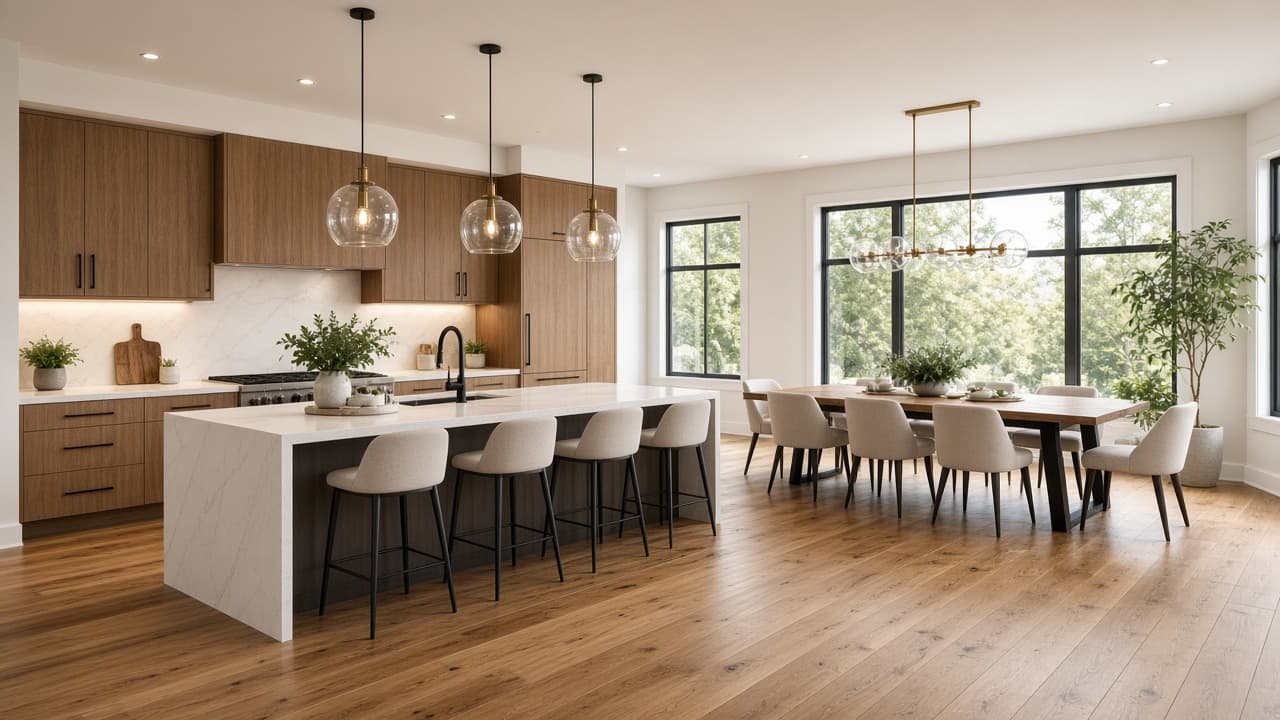
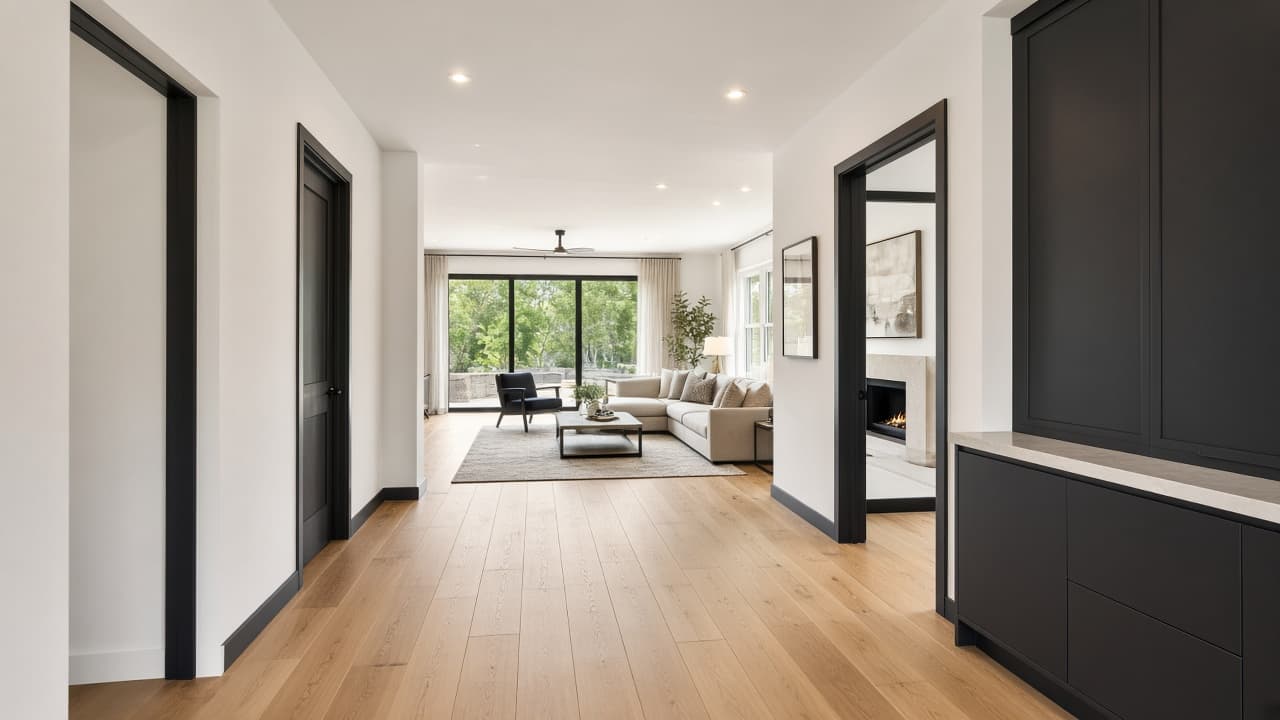
Visible finishes are where most homeowners feel the design. Set ranges for wall treatments, flooring, and cabinetry instead of locking into a single product too soon.
Prioritize durable materials in high-use rooms, then use secondary spaces for more flexible spend. This keeps the whole home cohesive without overspending in every zone.
Intellectual Property
Design drawings, product selections, and custom detailing are part of the project value. Protecting that work through clear agreements helps your remodel stay consistent from concept to install.
When plans are documented well, change orders stay easier to evaluate and your budget remains transparent for everyone involved.
Third-Party Links
Vendor quotes, finish samples, and product specifications often live outside the main contract. Keep those references organized so pricing and lead times stay easy to track.
A tidy folder of third-party details helps you compare options quickly and decide where a premium upgrade is worth the investment.